

Pigmentation & Dark Spot Treatment Amsterdam | Gustil Aesthetics
Pigmentation Treatment Amsterdam
Personalised treatment for different types of pigmentation

Pigmentation & Dark Spot Treatment in Amsterdam

Dark spots are not all the same. Sun spots, age spots, melasma and post-acne pigmentation can look similar, but they do not always need the same treatment.

At Gustil Aesthetics we start with your skin. We assess visible pigmentation, skin type, sensitivity and related concerns, then select the most appropriate non-invasive treatment route or combination.

Pigmentation and dark spot treatment at Gustil Aesthetics Amsterdam
Several causes Sun, hormones, acne, inflammation
Analysis first Pigment type guides the route
Non-invasive Selected for your skin
Skin Analysis €49 Personal treatment planning
Recognise your concern

Pigmentation can appear in different ways

Dark spots may appear gradually after years of sun exposure, remain after acne or inflammation, or develop under hormonal influence. The pattern, colour and context matter because they can change the most appropriate treatment approach.

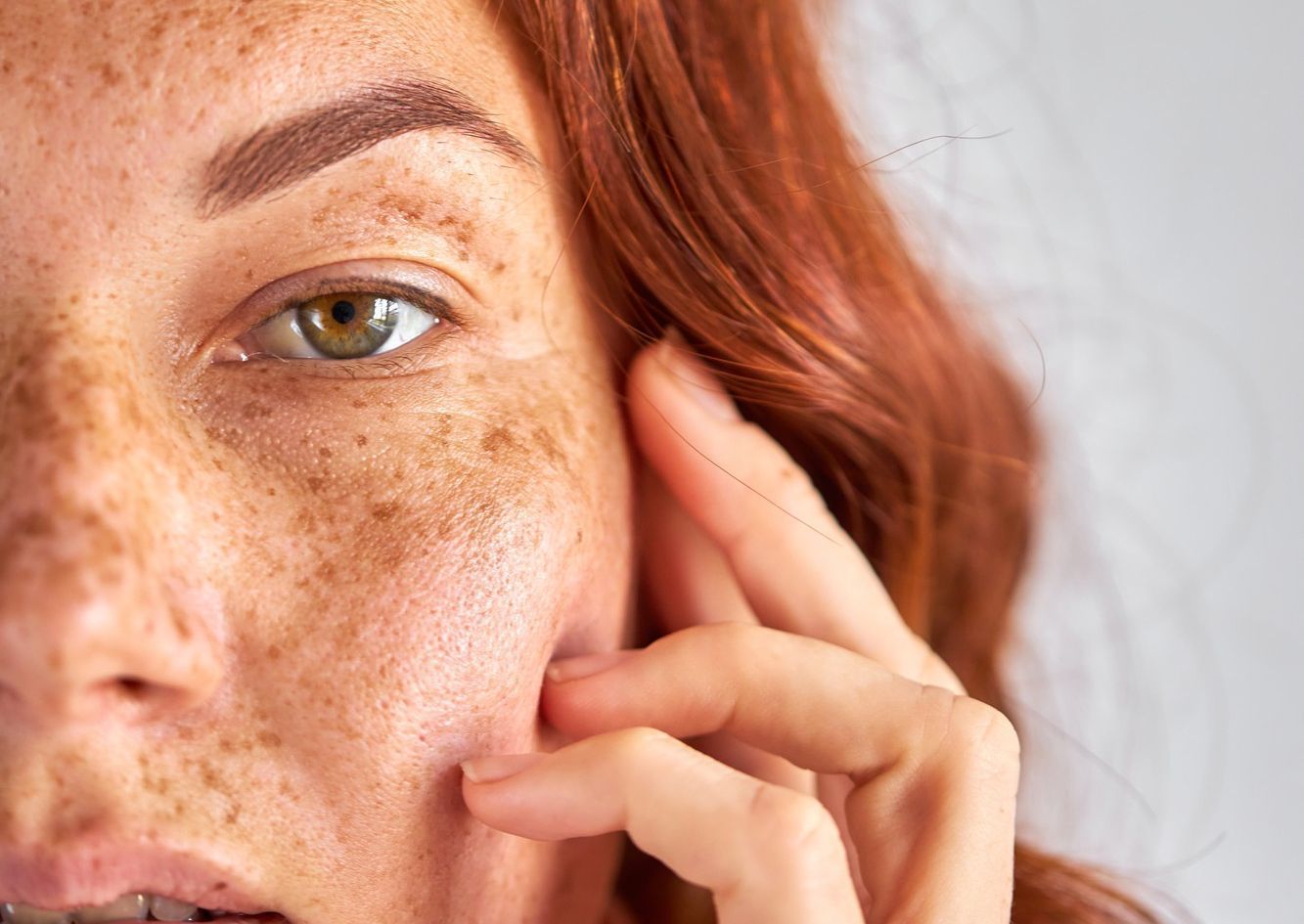
Sun spots Age spots Post-acne marks Melasma Uneven skin tone Post-inflammatory pigmentation
Different forms of facial pigmentation and dark spots
Treatment options

Laser & IPL Pigmentation Treatment and Skin Renewal Options

People often search for laser pigmentation removal, but not every pigment concern needs a laser. At Gustil we use Alpha 3D IPL for selected superficial pigmentation and combine this with other non-invasive skin treatments where the concern is broader than one isolated dark spot.

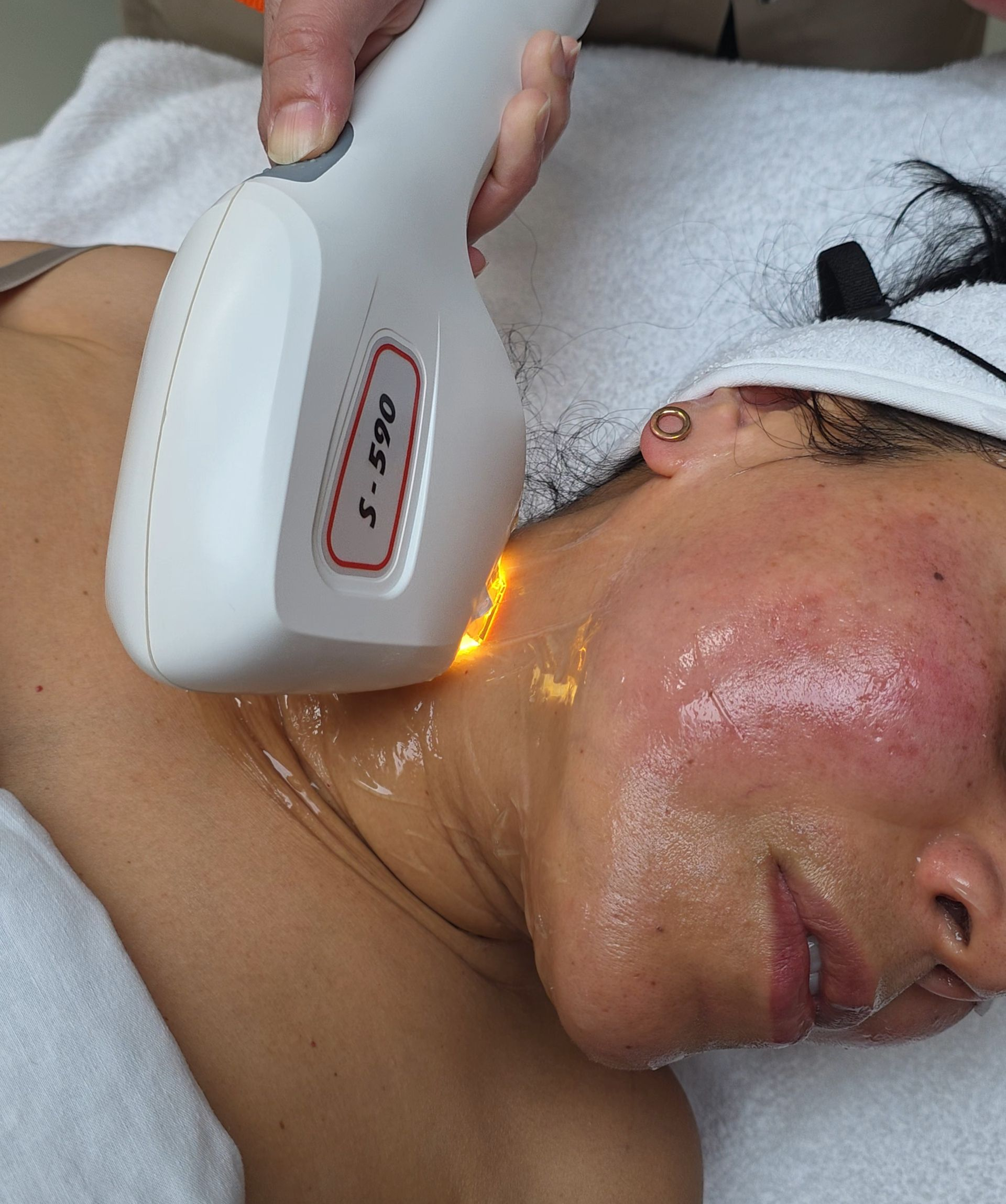
Alpha 3D IPL treatment for pigmentation and dark spots
Targeted pigment treatment

Alpha 3D IPL

Intense pulsed light can be used for selected superficial pigmentation, sun spots and signs of photodamage. Suitability depends on pigment type, skin type and recent sun exposure. The treatment is suitable for all skin colours and types through personalized sessions. A single spot starts from €75.

May suit: isolated sun spots, age spots and selected superficial pigmentation. Not automatically the first choice for melasma.
Explore Alpha 3D IPL →
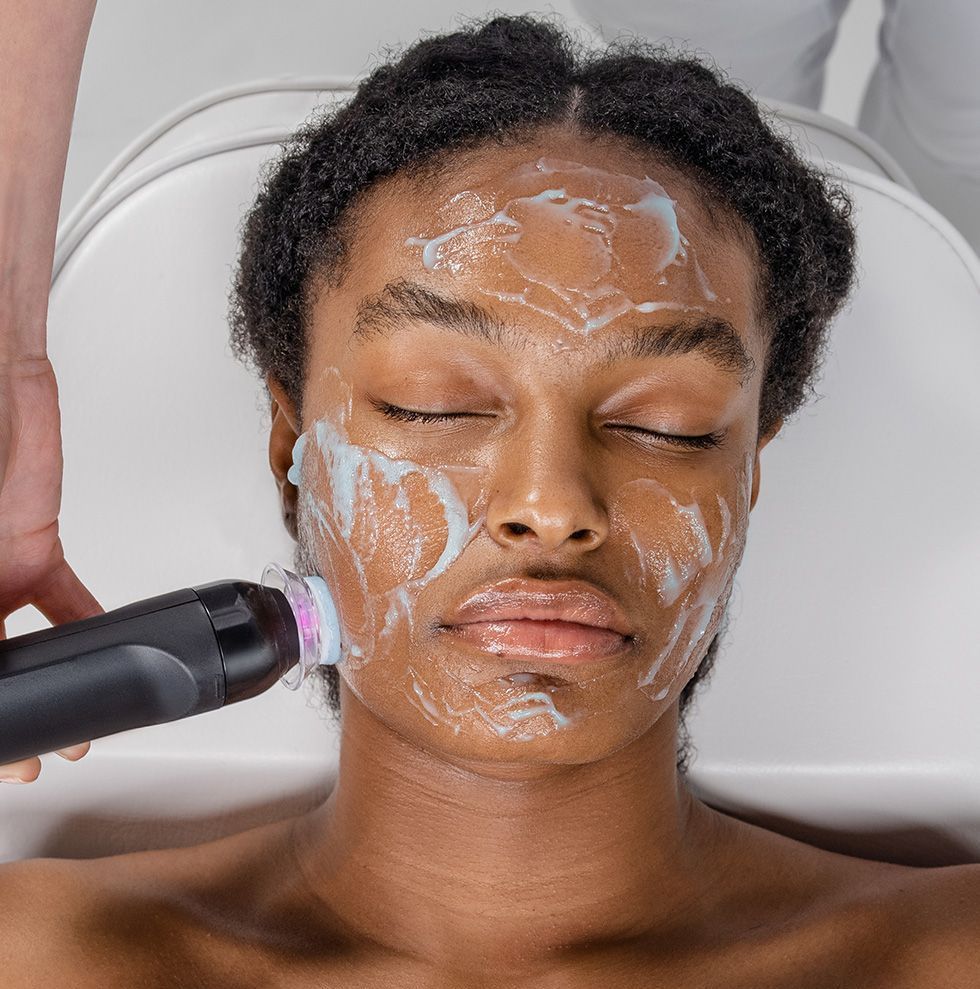
OxyGeneo 6 in 1 treatment for pigmentation and skin quality
Pigmentation + skin quality

OxyGeneo 6 in 1

A multi-technology facial combining exfoliation, oxygenation, infusion, Radiofrequency and ultrasound. It is customized with our illuminate OxyPod. Especially for uneven pigmentation together with dullness, texture, dehydration or visible skin ageing.

May suit: uneven tone, superficial discolouration and pigmentation combined with broader skin quality goals.
Explore OxyGeneo →
HydraJet LED treatment for sensitive skin and pigmentation
Pigmentation + sensitivity

HydraJet LED

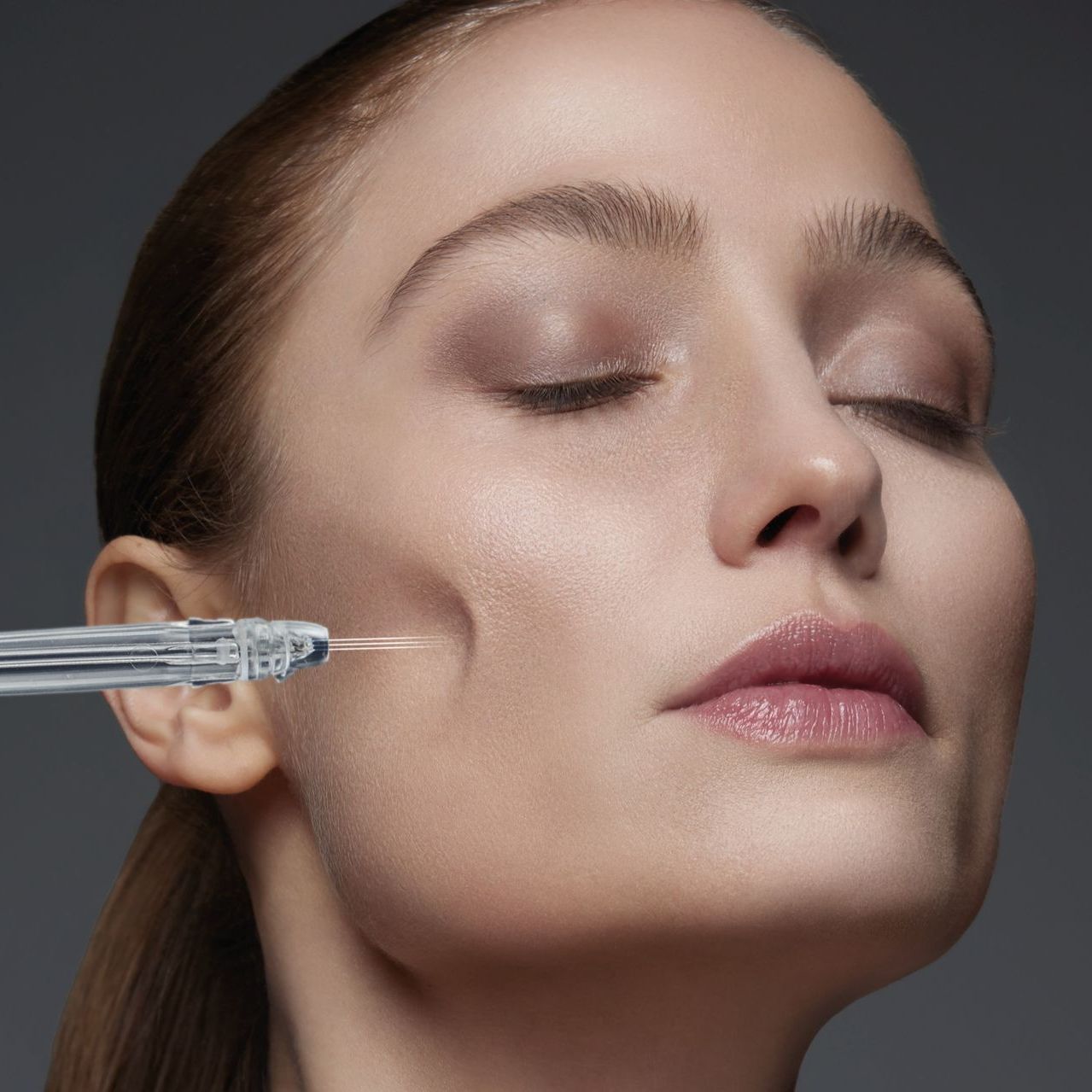
A needle-free treatment focused on hydration, skin quality and targeted active ingredients, combined with LED. It is customized with our orange LED and special JetCare. Suitable for pigmentation alongside sensitivity, dehydration, rejuvenation and post-inflammatory changes.

May suit: post-inflammatory pigmentation, sensitive or dehydrated skin and several concerns at once.
Explore HydraJet LED →
The Gustil approach

A complete pigmentation strategy, not a one-treatment answer

1

Analyse

We assess pigmentation together with skin type, sensitivity, inflammation and other visible skin concerns.

2

Treat selectively

We choose the treatment or combination that fits the type of pigmentation and the wider condition of the skin.

3

Protect & maintain

Daily UV protection and targeted skincare help support results and reduce triggers for new pigmentation.

Why diagnosis matters

Dark spots may need a different strategy

Choosing a treatment only by what you see in the mirror is not always enough. Gustil uses the Observe 520X Pro skin analysis as part of the assessment and treatment planning process.

Pigment pattern
Where is the pigment and how is it distributed?
Skin type & sensitivity
How is your skin likely to respond to energy, exfoliation or active ingredients?
Inflammation & acne
Is the pigmentation a consequence of active or previous inflammation?
Sun damage
Are there wider signs of UV damage or photoageing?
Related concerns
Is there also redness, dryness, texture, pores or skin ageing?
Your goal
Are you treating one isolated spot or aiming for broader skin improvement?
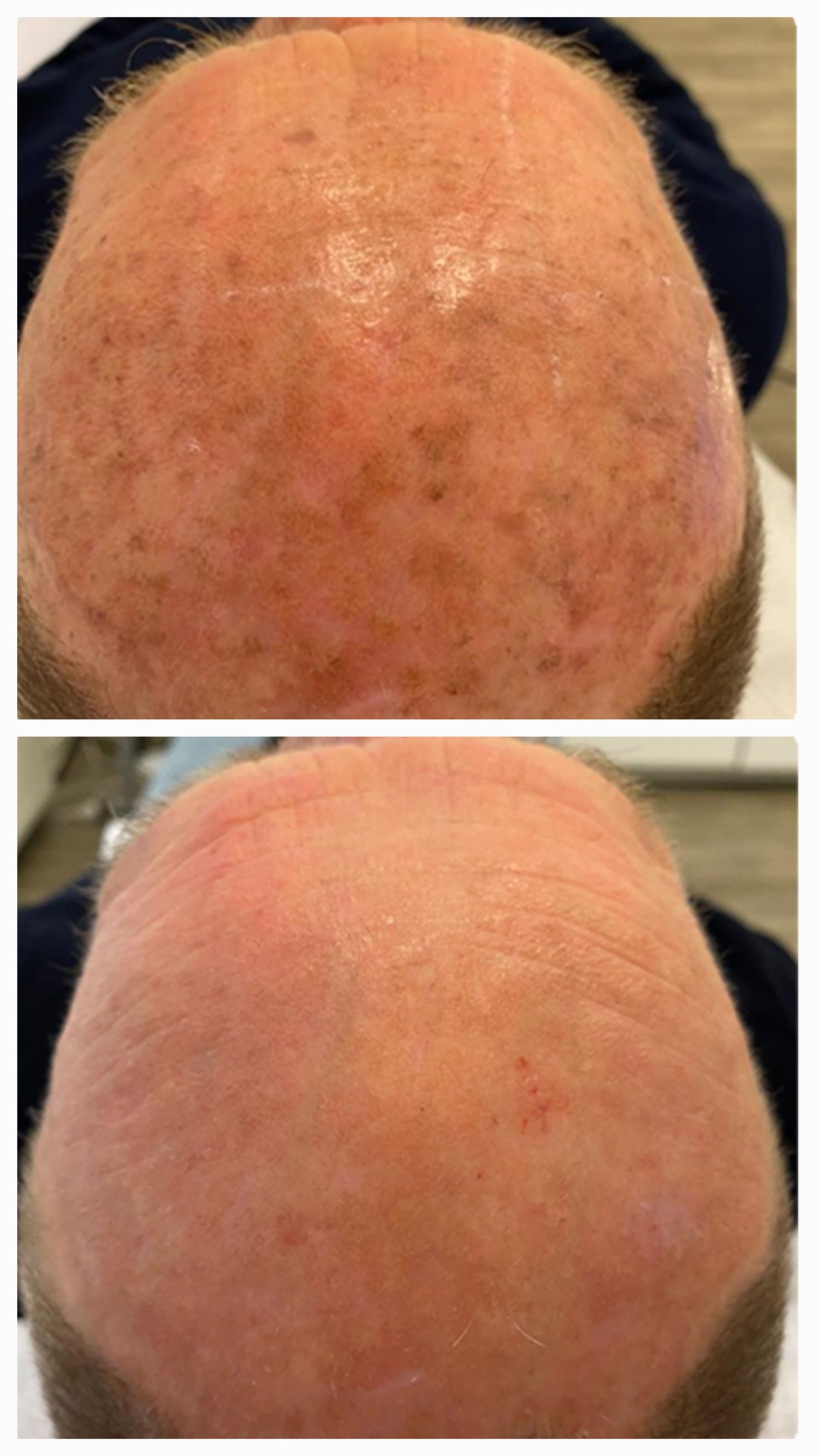
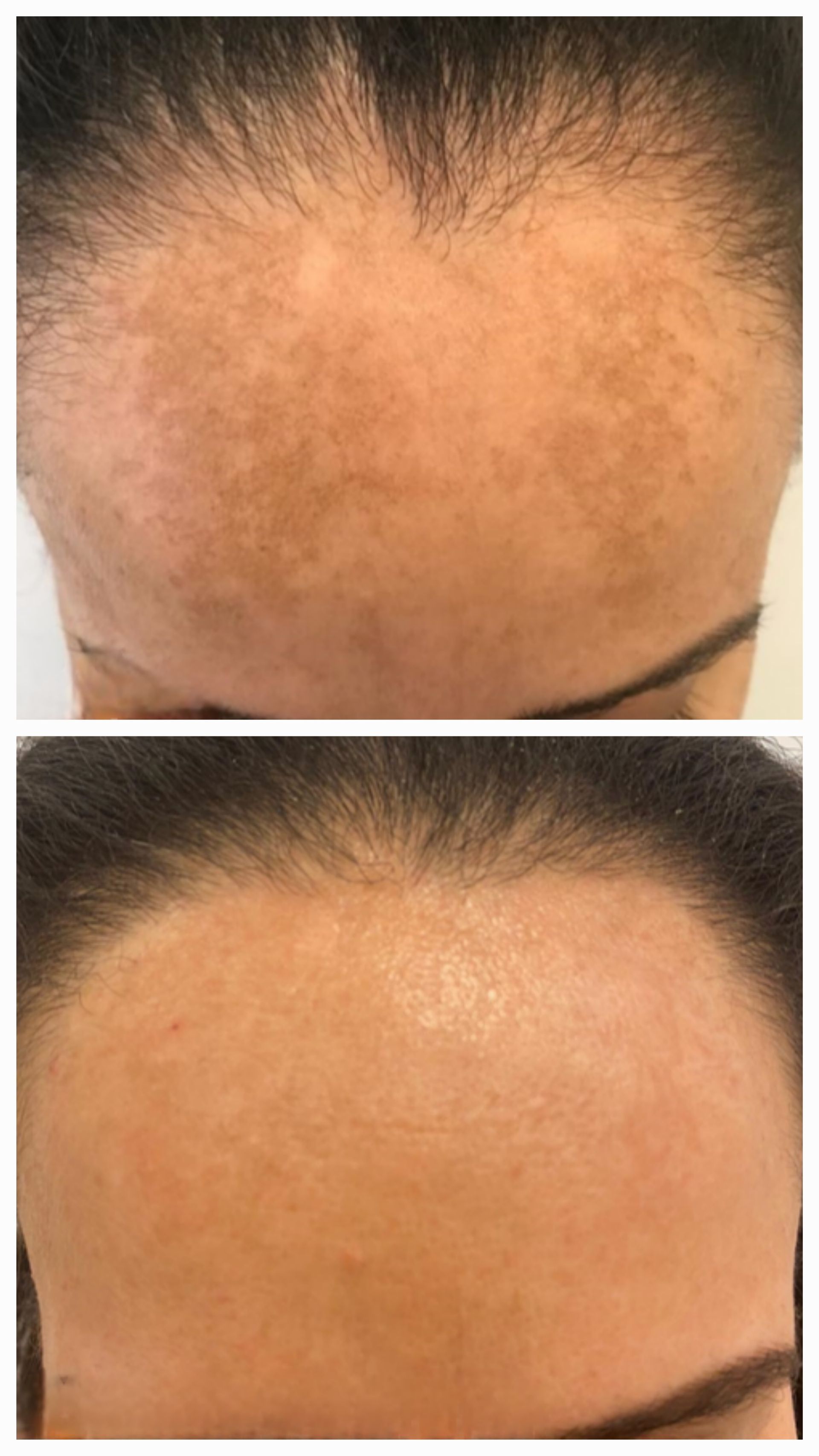
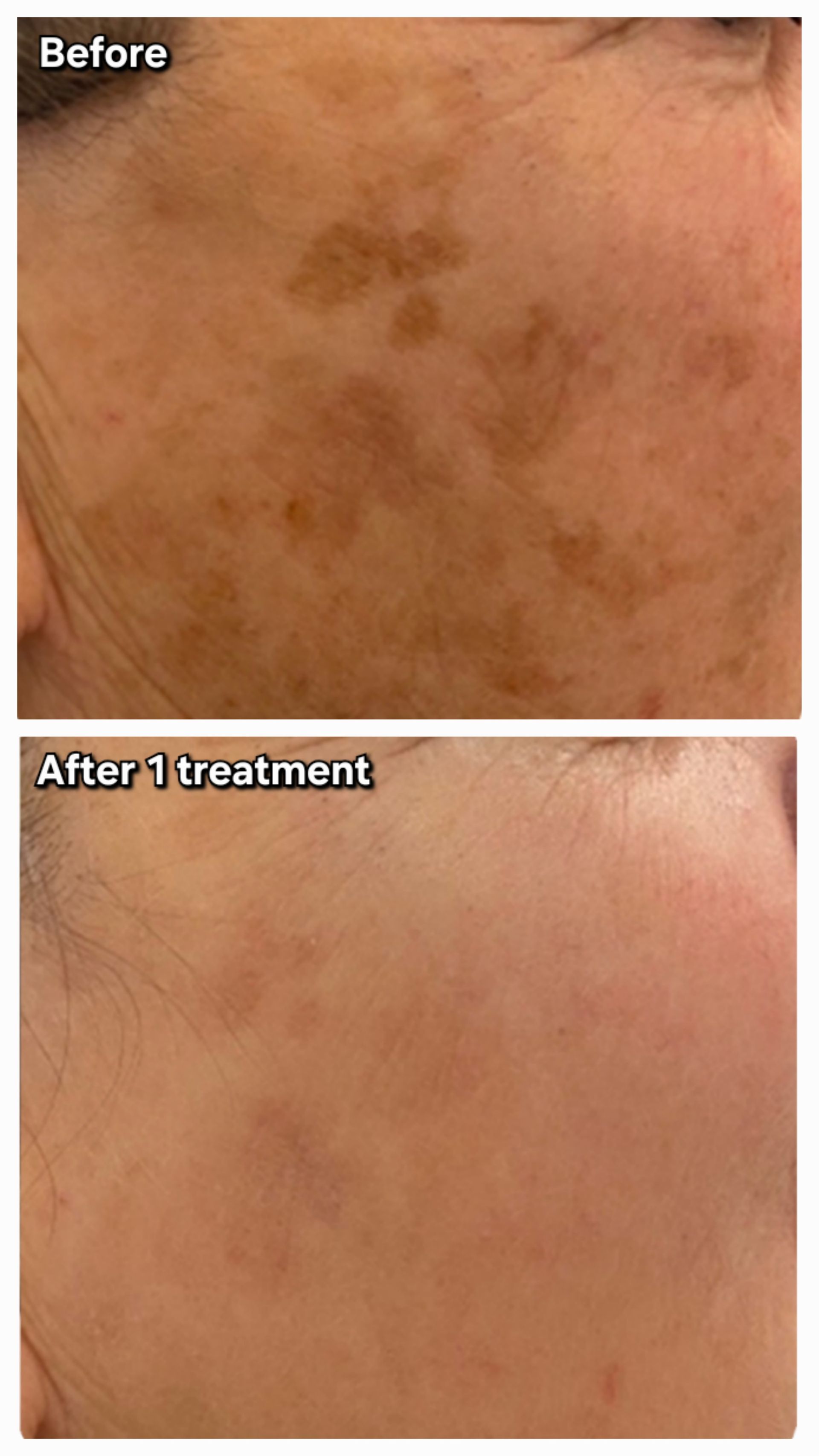
Before & After

Visible improvement in pigmentation and uneven skin tone

Results vary depending on pigment type, skin type, treatment choice and number of sessions.

Before and after pigmentation treatment result
Visible improvement in pigmentation and skin tone
Pigmentation treatment before and after
Result after a treatment course
Skin improvement with reduced pigmentation
Pigmentation and broader skin quality improvement
Dark spot treatment result
Visible skin improvement after treatment
Results & treatment course

What can you expect?

Pigmentation can often be improved significantly, but the pace depends on pigment type, treatment route and whether the underlying trigger is still active.

After the first session Skin may look fresher and more even. With targeted pigment treatment, treated pigment can temporarily appear darker.
Multiple sessions Many pigmentation concerns respond best to a course rather than one isolated session.
Between sessions UV protection and appropriate skincare are important to keep the skin calm and protected.
Maintenance Sun exposure, hormones and inflammation can trigger new pigmentation over time.
What is pigmentation?

When parts of the skin produce or retain more pigment

Pigmentation is the natural colouring of the skin. Hyperpigmentation happens when certain areas contain more melanin and become darker than the surrounding skin.

The visible marks are commonly called dark spots or pigmentation spots. Causes can include UV exposure, hormonal changes, inflammation, acne, skin injury and certain medications. Medium and darker skin tones can be more prone to post-inflammatory pigmentation, which makes careful treatment selection especially important.

Different types of pigmentation

The cause matters because the treatment choice can change

Sun spots and pigmentation
Type of pigmentation

Sun spots & age spots

Flat brown spots that often develop on areas exposed to UV over many years, such as the face, hands and décolleté. Selected superficial sun spots may respond well to targeted light-based treatment when the skin and pigment are suitable.

Decision support

Different pigment patterns can lead to different treatment routes

What you notice What may be involved Likely Gustil route Why assessment matters
Isolated brown sun spots Superficial UV-related pigmentation Often analysis + Alpha 3D IPL assessment Not every dark lesion is suitable for cosmetic light treatment
Dark marks after acne Post-inflammatory hyperpigmentation Inflammation control + HydraJet / OxyGeneo where suitable New irritation can trigger additional pigmentation
Symmetrical brown patches Melasma or hormonally influenced pigmentation Careful assessment, skincare and personalised treatment strategy Heat, hormones and UV can influence melasma
Uneven tone + dullness Superficial discolouration plus skin quality concerns OxyGeneo / HydraJet / broader skin programme The goal is wider than removing one isolated mark
Pricing

Start with the right route

Skin Analysis & Beauty Coach

Professional skin analysis

€49

Assessment of pigmentation, redness, hydration, texture, sun damage and other skin characteristics, followed by a personalised plan.

Alpha 3D IPL

Local pigmentation

From €75

For selected local pigmentation when IPL is suitable for your skin and pigment type.

Personalised route

Other treatment options

Tailored

OxyGeneo, HydraJet LED and other options have their own treatment times and prices. We recommend what best fits your skin.

Home support

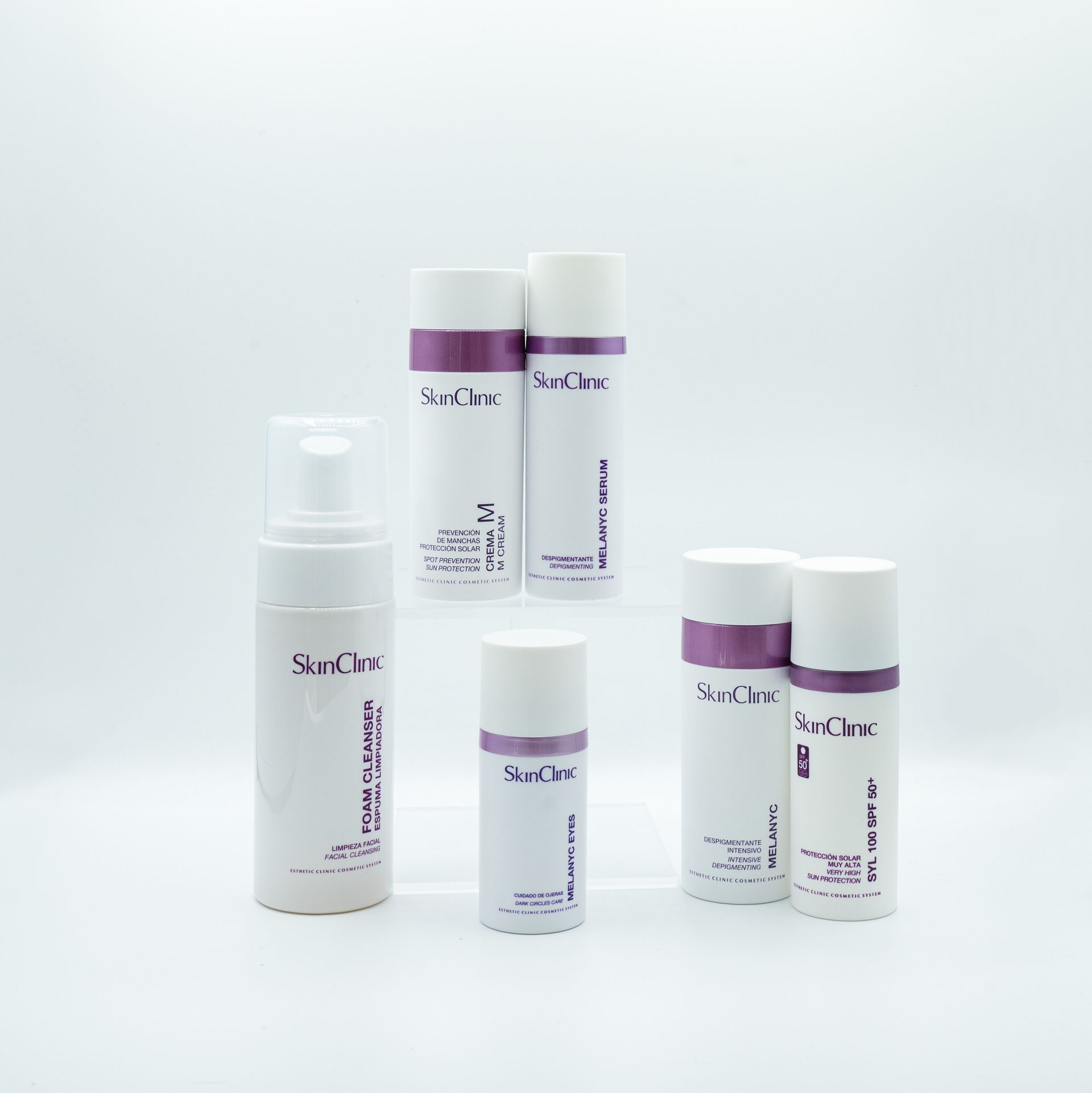
Support pigmentation treatment with a complete skincare routine

Pigmentation management does not stop after a clinic treatment. UV protection, targeted active ingredients and barrier support can all influence how well the skin maintains an even tone.

Personalised homecare

Prefer an individual routine?

Your pigmentation may sit alongside sensitivity, acne, dehydration or visible ageing. In that case we can build a personalised routine rather than use one fixed package.

Important

Not every dark spot is a cosmetic pigmentation concern

A new, changing, irregular, bleeding or otherwise suspicious pigmented lesion should first be assessed medically by a GP or dermatologist before cosmetic treatment is considered.

Why Gustil

Treat pigmentation without reducing your skin to one problem

Analysis first

We assess pigmentation together with the wider condition of your skin.

Multiple technologies

We can choose among several non-invasive options instead of using one device for everyone.

Personalised plan

Treatment and homecare are adapted to skin type, sensitivity and goals.

Long-term focus

We look beyond fading one spot and also address prevention and maintenance.

Frequently Asked Questions

Questions about pigmentation and dark spots

What is the difference between pigmentation, hyperpigmentation and dark spots?

Pigmentation is the natural colouring of the skin. Hyperpigmentation means some areas become darker because more melanin is present. Dark spots are the visible marks people commonly notice.

Is melasma the same as ordinary pigmentation?

Melasma is a specific form of hyperpigmentation that often appears symmetrically on the face and can be influenced by hormones, UV and heat. It often needs a more cautious long-term strategy than an isolated sun spot.

What is the best treatment for pigmentation?

That depends on pigment type, skin type, sensitivity and other concerns. Selected sun spots may respond well to IPL, while PIH, sensitivity or broader skin quality issues may need a different route.

Is IPL the same as laser pigmentation treatment?

No. IPL uses broad-spectrum intense pulsed light, while a laser uses a specific wavelength. Both may be used in pigmentation treatment, but they are different technologies. Gustil uses Alpha 3D IPL for selected pigment concerns.

Can dark marks after acne disappear?

Post-inflammatory hyperpigmentation can fade gradually, but it may take time. Controlling active acne and avoiding new irritation can be just as important as directly treating the pigment.

Can pigmentation treatment be used on darker skin tones?

Yes, but treatment choice and settings need to be selected carefully. Medium and darker skin tones can be more prone to post-inflammatory pigmentation, so assessment is especially important.

Can pigmentation return?

Yes. UV exposure, hormones, inflammation and skin irritation can trigger new pigmentation. Daily sun protection and suitable homecare are important for maintenance.

When should a dark spot be checked by a doctor first?

A new, changing, asymmetrical, irregular, bleeding or otherwise suspicious lesion should first be medically assessed before cosmetic treatment.

Your skin determines the treatment

Not sure what type of pigmentation you have?

You do not need to decide that yourself. Start with a professional Skin Analysis and Beauty Coach session. We assess your skin and explain which treatment route makes sense for your pigmentation, skin type and goals.